Helical Piers Installation in Greenville, SC
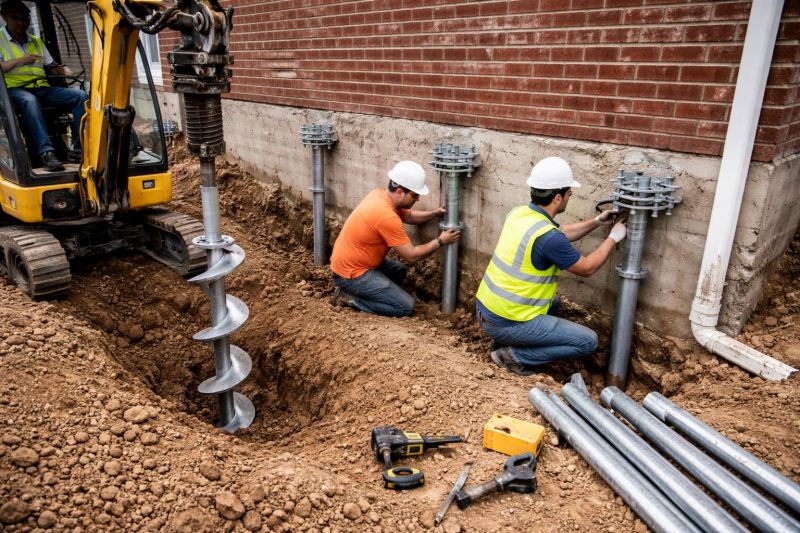
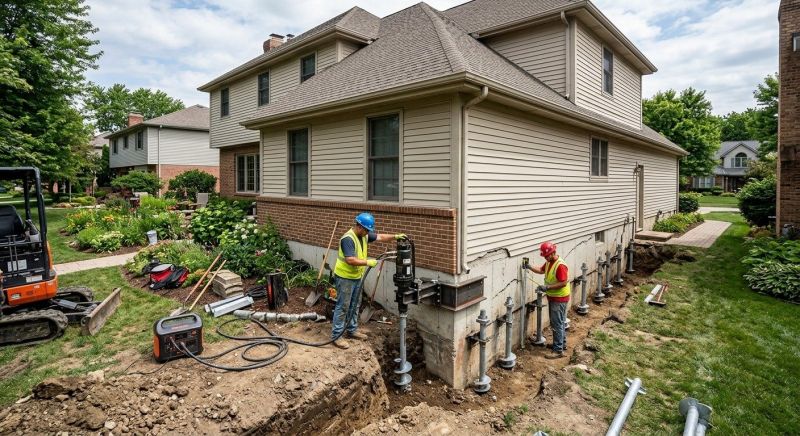
Helical piers installation is a foundation support method used to stabilize and strengthen structures on properties with challenging soil conditions or uneven terrain. This service involves inserting steel piers into the ground, which are then rotated to anchor securely into stable soil layers. It is commonly used for projects such as home additions, deck supports, retaining walls, and foundation repairs, providing a reliable solution to improve stability and prevent settling or shifting over time.
Homeowners interested in helical piers should consider factors like the type of structure, soil conditions, and load requirements before requesting installation. Understanding the scope of the project, including the number of piers needed and any access restrictions, can help ensure proper planning. Consulting with a professional can provide clarity on how helical piers can support various property improvements and address specific foundation concerns effectively.
Many property owners in Greenville, SC look into Helical Piers Installation for repairs, replacements, upgrades, and appearance-related improvements.
Foundation Support Solutions
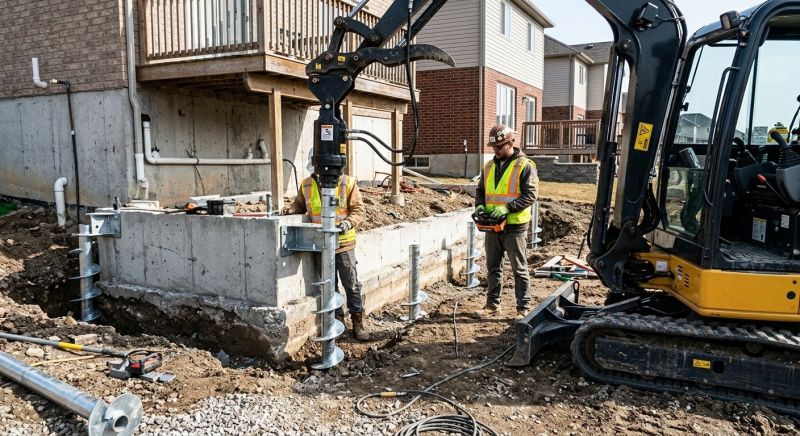
Helical piers provide stable support for uneven or shifting foundations in greenville homes.
Structural Stabilization
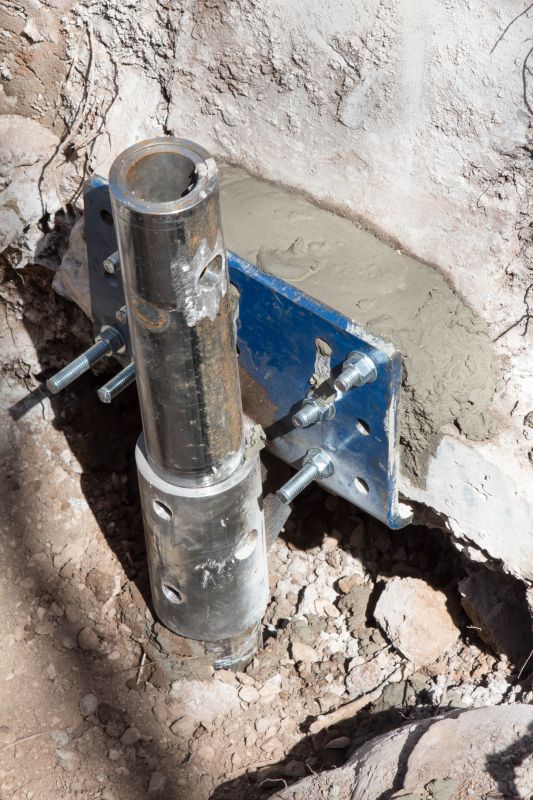
Installing helical piers can help prevent settling and maintain the integrity of various structures.
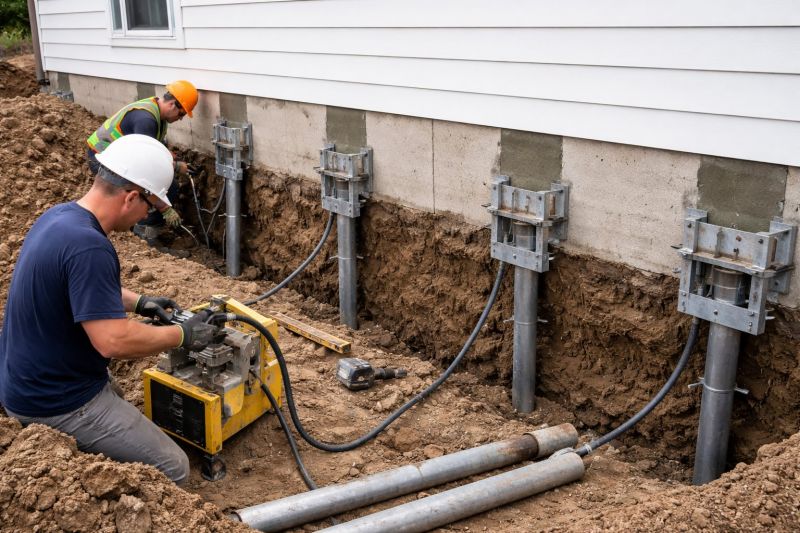
Property Enhancement
Helical piers are effective for underpinning existing structures and preparing sites for new construction projects.
Helical Piers Installation in Greenville, SC
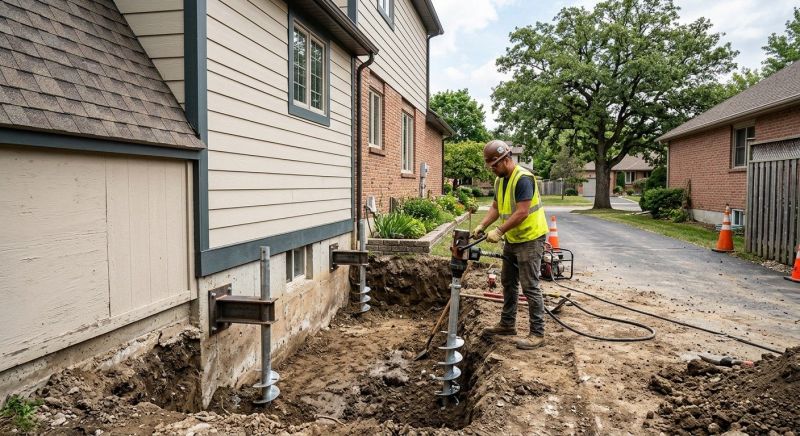
Helical piers installation is a foundation support method used to stabilize and strengthen structures on properties with challenging soil conditions or uneven terrain. This service involves inserting steel piers into the ground, which are then rotated to anchor securely into stable soil layers. It is commonly used for projects such as home additions, deck supports, retaining walls, and foundation repairs, providing a reliable solution to improve stability and prevent settling or shifting over time.
Homeowners interested in helical piers should consider factors like the type of structure, soil conditions, and load requirements before requesting installation. Understanding the scope of the project, including the number of piers needed and any access restrictions, can help ensure proper planning. Consulting with a professional can provide clarity on how helical piers can support various property improvements and address specific foundation concerns effectively.
Many property owners in Greenville, SC look into Helical Piers Installation for repairs, replacements, upgrades, and appearance-related improvements.
Common Helical Piers Installation Jobs
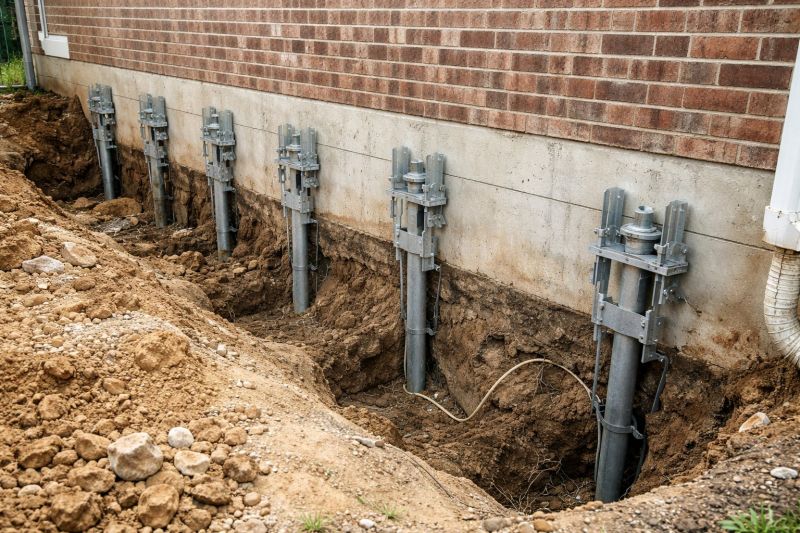
Foundation Repair - Helical piers provide stable support for settling or shifting foundations.
Home Additions - Used to reinforce new extensions or second-story additions.
Decks and Porches - Ensures proper support for outdoor structures on uneven or weak soil.
Boat Docks and Piers - Installed to create durable, level platforms over water or soft ground.
Retaining Walls - Helps stabilize soil and prevent erosion around property landscapes.
Uneven Slab Support - Corrects uneven concrete slabs to prevent tripping hazards and structural issues.
Helical Piers Installation Questions
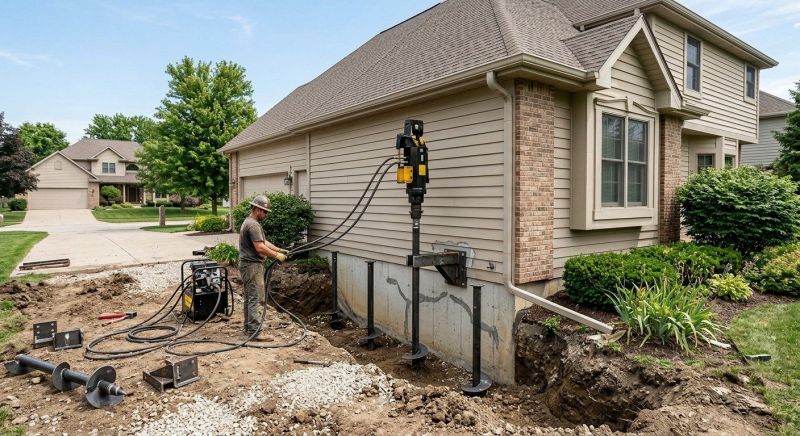
What are helical piers used for? Helical piers provide stable support for structures like decks, additions, and foundations by anchoring into the ground.
How do helical piers install into the soil? They are screwed into the ground using specialized equipment, reaching stable soil layers for reliable support.
Are helical piers suitable for all soil types? Helical piers work well in many soil conditions, including clay, sand, and fill, offering versatile foundation support.
What types of projects typically require helical piers? They are commonly used for home extensions, porch supports, retaining walls, and underpinning existing structures.
Request Helical Piers Installation in Greenville, SC
Use the quote form on this page to share the basics of your project and request more information for the type of work you need.