Get Foundation Stabilizing
Foundation stabilizing services help property owners address issues like cracks, uneven floors, or settling by connecting them with local contractors who specialize in repairs and reinforcement.
Foundation stabilizing services are an important consideration for property owners facing uneven or shifting structures. Whether dealing with visible cracks, settling issues, or concerns about long-term stability, understanding available options can help in planning effective solutions. Local contractors specializing in foundation work offer a range of services designed to address these challenges, making it easier to compare different approaches and find the right fit for specific needs.
Exploring foundation stabilization options is a practical step for those looking to protect their property’s integrity and value. Property owners in the area may seek experienced service providers to assess the situation and recommend suitable methods for stabilization. Continuing to review local options can help in making informed decisions about maintaining a safe and stable property.
- Foundation Stabilizing - when a building shows signs of uneven settling or cracks in walls and floors.
- Foundation Underpinning - if the existing foundation needs reinforcement to improve stability and prevent further movement.
- Pier and Beam Stabilization - when a home with pier and beam supports experiences shifting or sagging floors.
- Mudjacking and Slab Lifting - to correct uneven concrete slabs caused by soil settlement beneath the foundation.
- Foundation Repair - when structural issues threaten the safety or integrity of a property’s foundation.
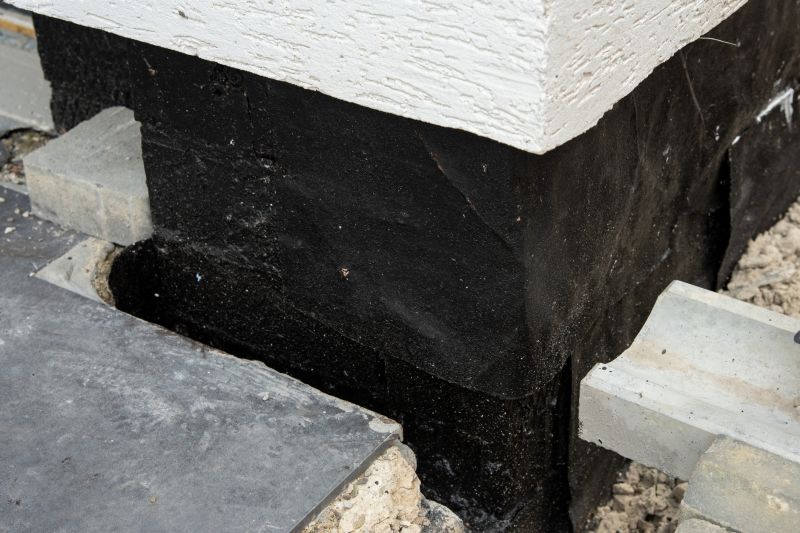
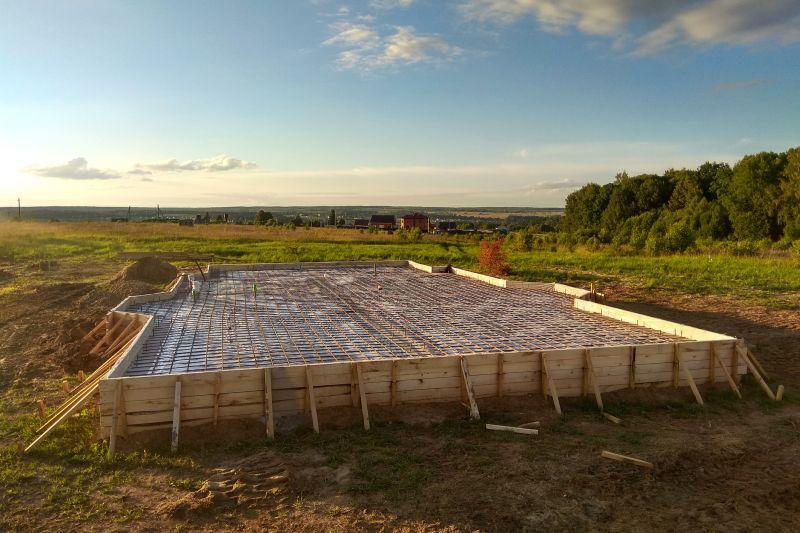
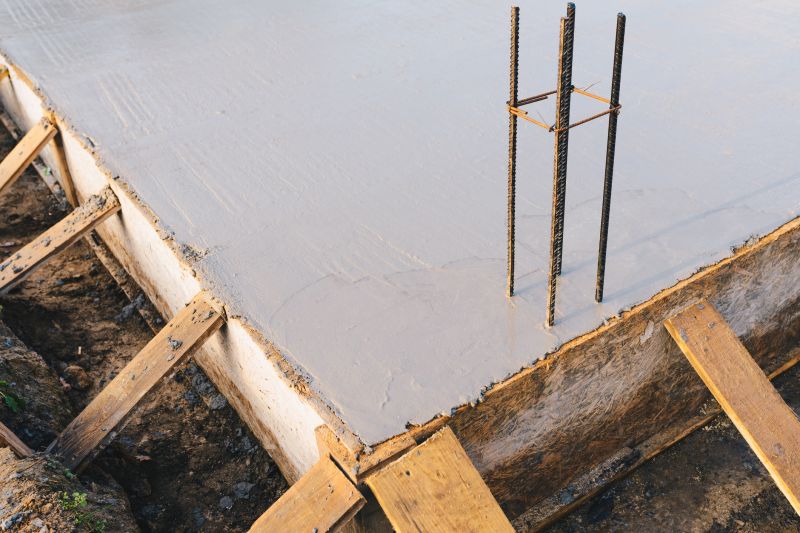
Foundation stabilizing services involve specialized techniques to reinforce and secure a building’s foundation when it shows signs of movement or deterioration. These services typically include methods such as underpinning, piering, or slab jacking, which are designed to restore stability and prevent further settling. By addressing the root causes of foundation issues, these solutions help protect the structural integrity of a property and can reduce the risk of costly repairs in the future. Homeowners experiencing uneven floors, cracked walls, or doors and windows that no longer close properly may find foundation stabilizing services to be a practical step toward resolving these problems.
Problems that foundation stabilizing services help solve often stem from soil movement, moisture changes, or aging materials that cause a foundation to shift or settle unevenly. Common signs include visible cracks in walls or ceilings, gaps around door or window frames, and sloping or uneven floors. These issues can compromise the safety and usability of a property if left unaddressed. Local contractors who specialize in foundation stabilization can assess the specific conditions of a property and recommend appropriate solutions to restore stability and prevent further damage.
Types of properties that typically utilize foundation stabilizing services include residential homes, especially those built on expansive or unstable soil, as well as small commercial buildings and multi-family complexes. Older homes are often more susceptible to foundation movement due to aging materials and shifting ground conditions. Additionally, properties in regions prone to soil moisture fluctuations or seismic activity may require stabilization work to maintain safety and structural integrity. Homeowners and property managers concerned about signs of foundation distress should consider consulting with local service providers to explore effective stabilization options.
Contacting experienced local contractors for foundation stabilizing services offers a practical way to address foundation concerns promptly. These specialists have the expertise to evaluate the specific needs of a property and recommend tailored solutions that restore stability. Whether dealing with minor settling or more significant shifts, professional stabilization can help protect the long-term value and safety of a property. Homeowners noticing early signs of foundation issues are encouraged to reach out to local service providers who can provide assessments and effective stabilization options.
The overview below groups typical Foundation Stabilizing projects into broad ranges so you can see how smaller, mid-sized, and larger jobs often compare in your area.
In many markets, a large share of routine jobs stays in the lower and middle ranges, while only a smaller percentage of projects moves into the highest bands when the work is more complex or site conditions are harder than average.
Smaller Repairs - Typical costs for minor foundation stabilization tasks generally range from $250 to $600. Many routine jobs fall within this middle range, depending on the scope of work and local rates.
Moderate Projects - More involved stabilization services, such as underpinning or piering, often cost between $1,000 and $3,000. These projects are common for homeowners addressing noticeable settlement or cracks.
Large-Scale Repairs - Extensive stabilization efforts, including partial foundation lifts or extensive underpinning, can range from $3,500 to $8,000. Fewer projects reach into this higher tier, typically for significant structural issues.
Full Foundation Replacement - Complete foundation replacement is a major project with costs often exceeding $15,000, but such cases are less frequent and depend on the property's size and condition.
Actual totals will depend on details like access to the work area, the scope of the project, and the materials selected, so use these as general starting points rather than exact figures.
Soil Stabilization Projects - local contractors often use similar techniques and tools to improve soil strength and prevent shifting, which is essential for foundation stability.
Retaining Wall Construction - building retaining walls requires planning and skills comparable to foundation stabilization, especially in managing soil pressure and drainage.
Basement Waterproofing - waterproofing efforts involve understanding soil conditions and applying stabilization methods to prevent water intrusion and foundation damage.
Drainage System Installation - effective drainage planning is crucial for reducing soil erosion and maintaining a stable foundation, requiring similar expertise as stabilization services.
Concrete Lifting and Leveling - lifting sunken concrete involves soil assessment and stabilization techniques that align with foundation repair skills.
Pier and Beam Foundation Repair - repairing or replacing piers involves soil analysis and stabilization strategies akin to foundation stabilization projects.
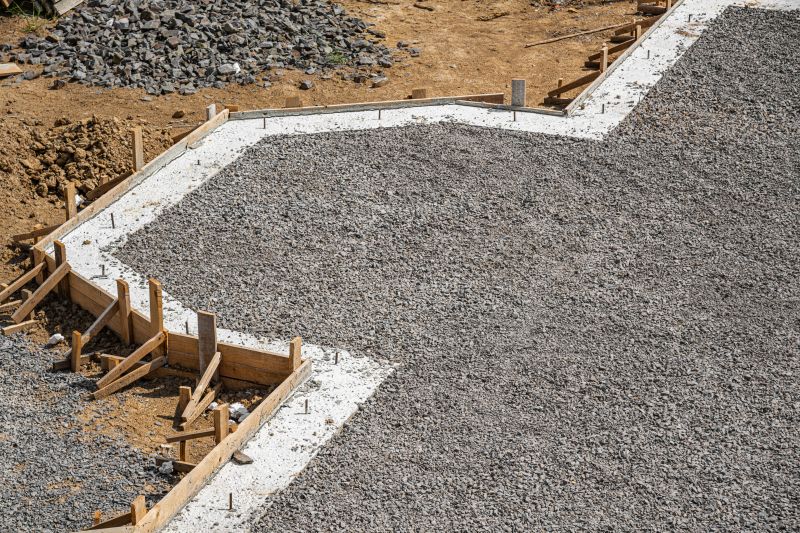
When comparing service providers for foundation stabilizing, it’s important to evaluate their experience with similar projects. Homeowners should look for local contractors who have a proven track record of handling foundation issues comparable to their own. This can provide insight into their familiarity with the specific challenges involved and their ability to deliver effective solutions. Asking about past projects or seeking references can help gauge their expertise and comfort level with work of this nature.
Clear, written expectations are essential when selecting a foundation stabilizing professional. Homeowners should request detailed proposals that outline the scope of work, methods to be used, and the materials involved. Having this information in writing helps ensure everyone is on the same page and reduces the likelihood of misunderstandings. A reputable service provider will be transparent about their process and willing to provide documentation that clarifies what the project entails.
Good communication and reputable references are key indicators of a reliable contractor. Homeowners should seek out local service providers who are responsive to questions and willing to provide references from previous clients. Contacting these references can offer valuable insights into the contractor’s professionalism, quality of work, and ability to meet expectations. Overall, choosing a foundation stabilizing professional who demonstrates clear communication, experience with similar projects, and trustworthy references can help ensure a smoother, more predictable process.
Property owners use Foundation Stabilizing services for practical projects around their homes and businesses. This guide focuses on everyday jobs and straightforward project options.
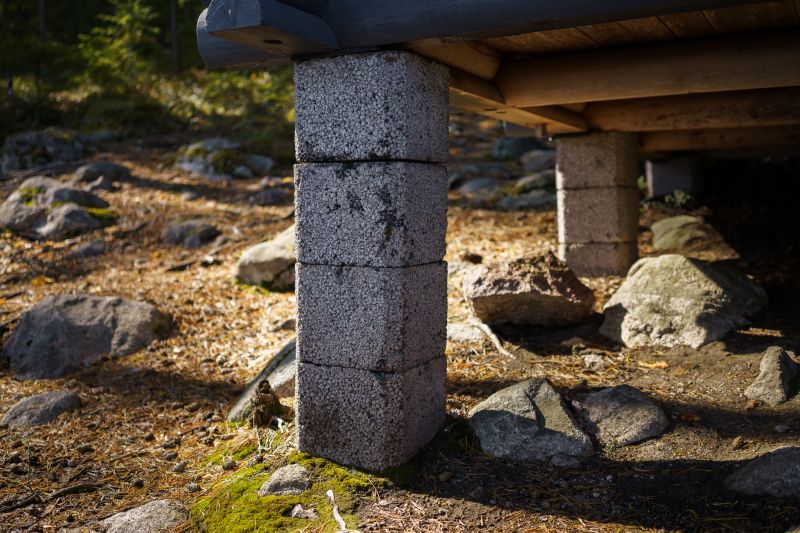
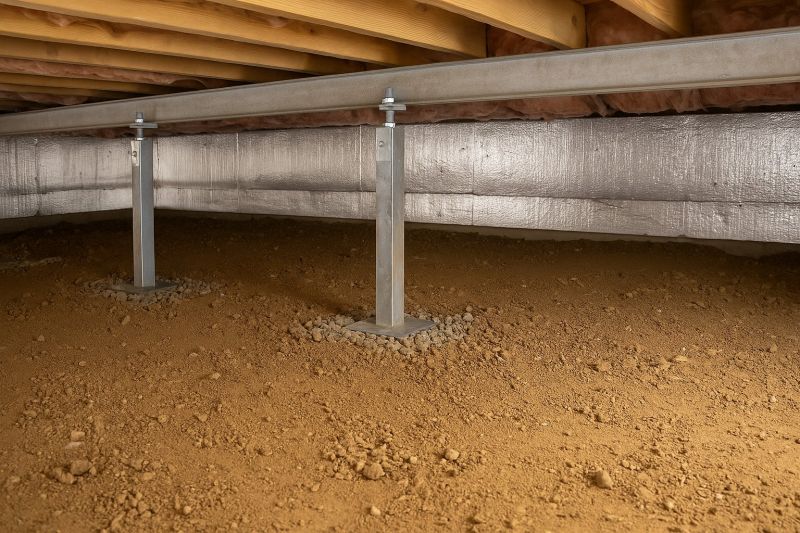
Foundation stabilizing services are often needed when homeowners notice signs of shifting or settling in their property, such as uneven floors, cracks in walls, or sticking doors. These common issues can arise from natural ground movement, changes in moisture levels, or previous construction problems. Local contractors experienced in foundation stabilization can assess the situation and provide solutions to help restore stability and prevent further damage, making sure the property remains safe and structurally sound.
Property owners in the area might seek foundation stabilizing work to address ongoing concerns or to prepare for future stability. Whether dealing with minor shifts or more significant foundation problems, local service providers can offer options like underpinning, piering, or other stabilization techniques. Connecting with these specialists can help homeowners protect their investment and maintain the integrity of their property over time.
What are foundation stabilizing services? Foundation stabilizing services involve techniques to reinforce and support a building’s foundation to prevent or repair settling, cracking, or shifting issues.
How do local contractors stabilize a foundation? Contractors assess the foundation’s condition and may use methods such as underpinning, mudjacking, or piering to provide stability and restore structural integrity.
What signs indicate a need for foundation stabilization? Signs include visible cracks in walls or floors, uneven flooring, doors or windows that stick, or noticeable shifts in the building’s structure.
Are foundation stabilization methods permanent? Many stabilization techniques are designed to provide long-lasting support, but the durability depends on the method used and the specific condition of the foundation.
How can I find local pros for foundation stabilization? Homeowners can contact local service providers through lead generation sites to compare options and connect with experienced contractors in their area.
Foundation Repair Planning - Helps property owners develop plans for addressing uneven or cracked foundations before issues worsen.
Soil Stabilization Ideas - Provides options for improving soil conditions around a property to prevent future settling or shifting.
Drainage Improvement Strategies - Offers guidance on enhancing drainage around the foundation to reduce water-related foundation problems.
Foundation Reinforcement Concepts - Assists in exploring methods to strengthen an existing foundation for added stability and safety.
If you are thinking about Foundation Stabilizing for a property, this guide is meant to help you understand the work, the typical project types, and how different options might fit your plans.
When you are ready, you can use the quote form on this page to share a few details about your project. From there, local pros can review the basics and respond with options that match what you have in mind.